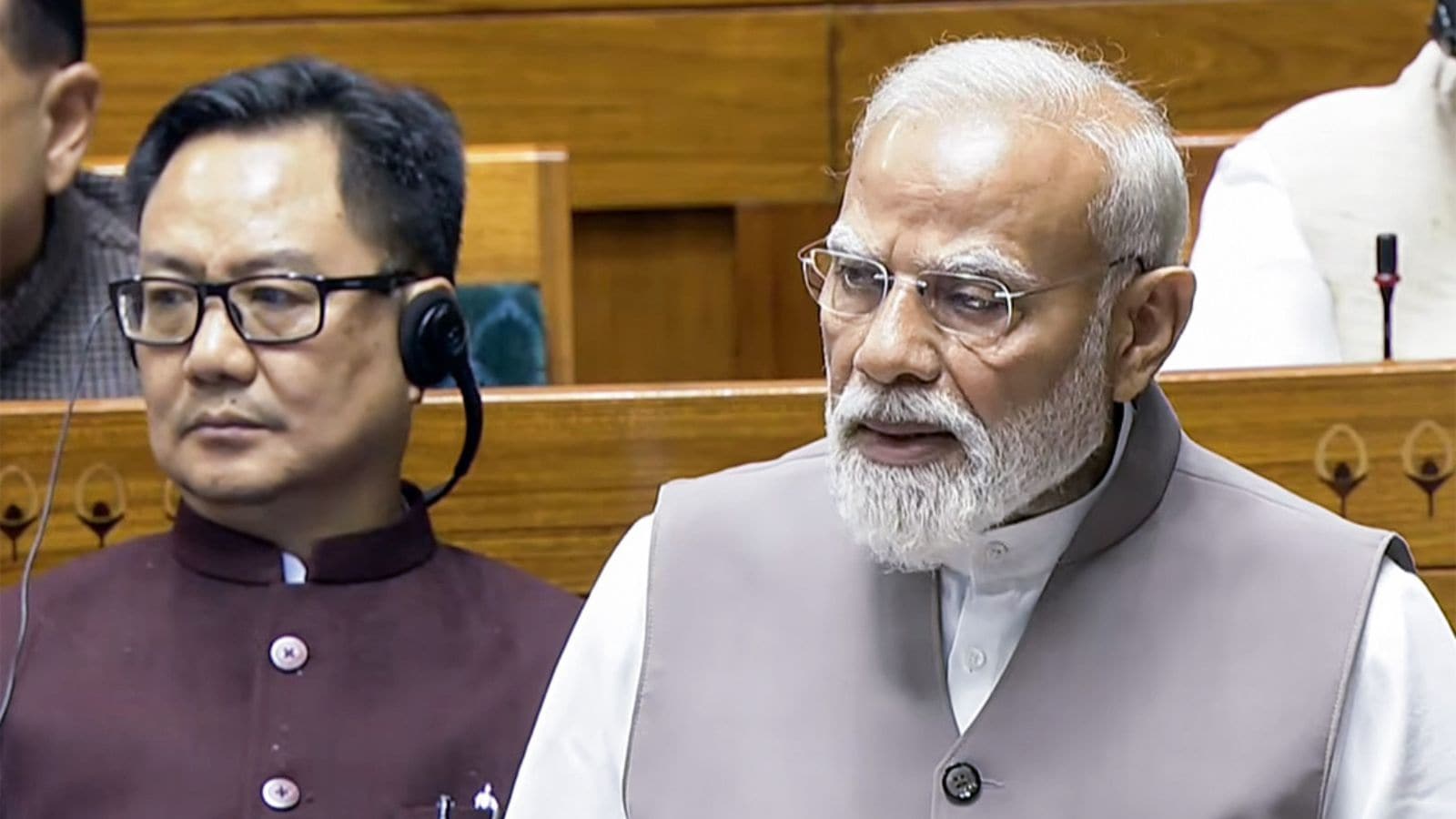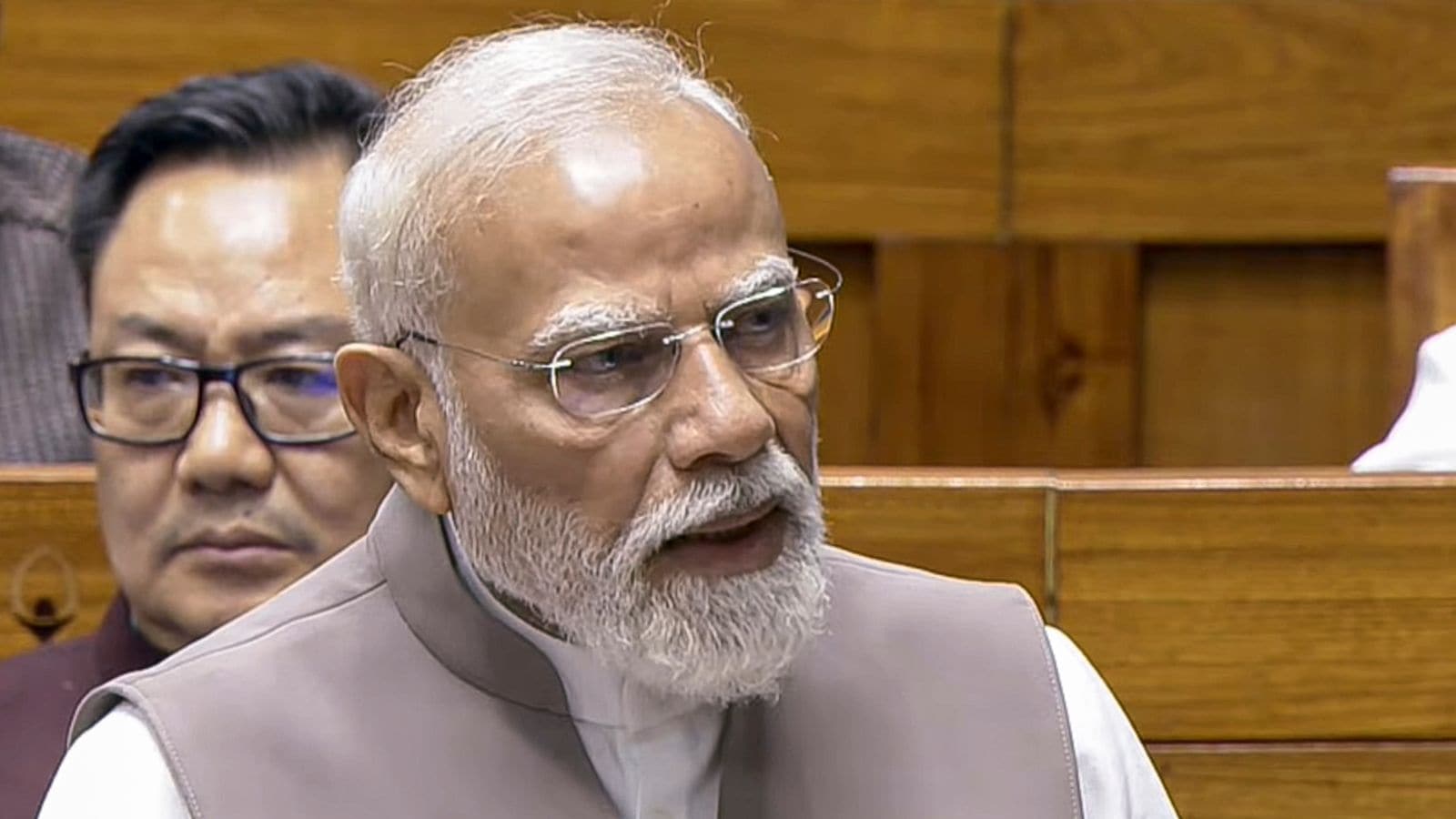
Prime Minister Narendra Modi delivered a comprehensive and high-impact address in Parliament during the ongoing Budget Session, warning that India and the world must be prepared to face the long-term consequences of the escalating conflict in West Asia. Describing the situation as “worrisome,” the Prime Minister highlighted the far-reaching economic, strategic, and humanitarian implications of the war, which has already disrupted global energy markets, trade routes, and supply chains. The conflict, which began intensifying in mid-February, has rapidly evolved into a global concern, affecting not only the countries directly involved but also major economies like India that rely heavily on the region for energy imports and trade.
A major focus of Modi’s speech was the disruption of maritime trade through the Strait of Hormuz, a narrow yet critically important waterway that facilitates nearly one-fifth of the world’s energy supply. The Prime Minister noted that trade through this vital corridor has come to a near standstill following the outbreak of the conflict, raising serious concerns about global oil supply and price stability. For India, the impact is particularly severe, as the Strait of Hormuz accounts for approximately 90 percent of its LPG imports, around 60 percent of LNG imports, and nearly half of its crude oil supply. Any prolonged disruption in this region poses a direct threat to India’s energy security, economic stability, and inflation outlook.
Highlighting the government’s proactive approach, Modi emphasized that India has taken several strategic measures over the past decade to reduce its vulnerability to such global shocks. One of the key steps has been the diversification of energy imports, with India now sourcing energy from 41 countries compared to just 27 countries a decade ago. This diversification strategy has been crucial in ensuring supply continuity despite geopolitical tensions. However, the Prime Minister acknowledged that India still relies heavily on imports, with over 80 percent of crude oil, 60 percent of LPG, and 50 percent of LNG being sourced from international markets, making the current crisis particularly challenging.
To address immediate concerns, the government has prioritized domestic production of essential fuels, particularly LPG, to ensure uninterrupted supply for households. Modi noted that boosting domestic energy production is a key part of India’s strategy to reduce dependency on volatile global markets. In addition, the government is actively expanding its strategic petroleum reserves, which currently stand at around 5.3 million metric tons, with plans underway to add an additional 6.5 million metric tons. These reserves serve as a critical buffer against supply disruptions and price volatility, providing the country with greater resilience during global crises.
The Prime Minister also highlighted significant progress in strengthening India’s fertilizer production capabilities, particularly urea, which is essential for the agricultural sector. He noted that six new urea manufacturing units have been established to reduce reliance on imports, especially from Gulf countries such as Oman, Qatar, Saudi Arabia, the United Arab Emirates, and Bahrain. These nations collectively accounted for nearly 75 percent of India’s urea imports in recent years, and disruptions in supply due to the conflict could have serious implications for agriculture and food security. By increasing domestic production, the government aims to ensure that farmers have uninterrupted access to essential inputs.
In addition to energy and agriculture, Modi emphasized the importance of boosting power generation to meet rising demand, especially during the summer months. He stated that the government is working to enhance coal production and maintain adequate reserves at power plants to prevent electricity shortages. At the same time, India is accelerating its transition toward renewable energy, with over 140 gigawatts of renewable capacity already installed. Initiatives such as rooftop solar panel installations under government schemes have reached millions of households, contributing to energy sustainability and reducing dependence on traditional fuels. The government is also exploring nuclear energy as a long-term solution to meet growing power demands.
Beyond economic and energy concerns, Modi’s speech underscored the broader national security implications of the West Asia conflict. He stressed that India is strengthening its coastal and cyber security frameworks to safeguard its interests in an increasingly uncertain global environment. Drawing parallels with the COVID-19 pandemic, the Prime Minister urged citizens and state governments to remain vigilant and prepared for prolonged disruptions. He called for strict monitoring of essential commodities to prevent black marketing and ensure fair distribution, highlighting the need for coordinated efforts at both central and state levels.
A key message from Modi’s address was the importance of resilience and preparedness. He urged Indians to be ready for the long-term impact of the conflict, noting that global crises often have lasting consequences that extend beyond immediate disruptions. His remarks reflect a broader strategy aimed at building economic resilience, strengthening domestic capabilities, and reducing dependency on external factors. The Prime Minister’s call for preparedness also signals the government’s awareness of potential challenges ahead, including rising inflation, supply shortages, and economic uncertainty.
At the global level, Modi reiterated India’s commitment to peace and stability, emphasizing the need for dialogue and diplomacy to resolve conflicts. While focusing primarily on domestic preparedness, his speech also conveyed India’s position as a responsible global player that advocates for peaceful solutions and international cooperation. The Prime Minister’s balanced approach reflects India’s strategic priorities, which include maintaining strong relationships with multiple countries while safeguarding national interests.
The West Asia conflict, as highlighted in Modi’s speech, is not just a regional issue but a global crisis with far-reaching implications. It affects energy markets, trade flows, geopolitical stability, and economic growth worldwide. For India, the stakes are particularly high due to its deep economic ties with the region and its reliance on energy imports. The government’s response, as outlined by Modi, combines immediate measures to address supply disruptions with long-term strategies to enhance self-reliance and resilience.
In conclusion, Prime Minister Narendra Modi’s Parliament address provides a comprehensive roadmap for navigating the challenges posed by the ongoing West Asia conflict. From ensuring energy security and boosting domestic production to strengthening national security and promoting global diplomacy, the government’s approach reflects a multi-dimensional strategy aimed at protecting India’s interests in a rapidly changing world. As the conflict continues to evolve, India’s preparedness, adaptability, and strategic foresight will play a crucial role in mitigating its impact and ensuring long-term stability.