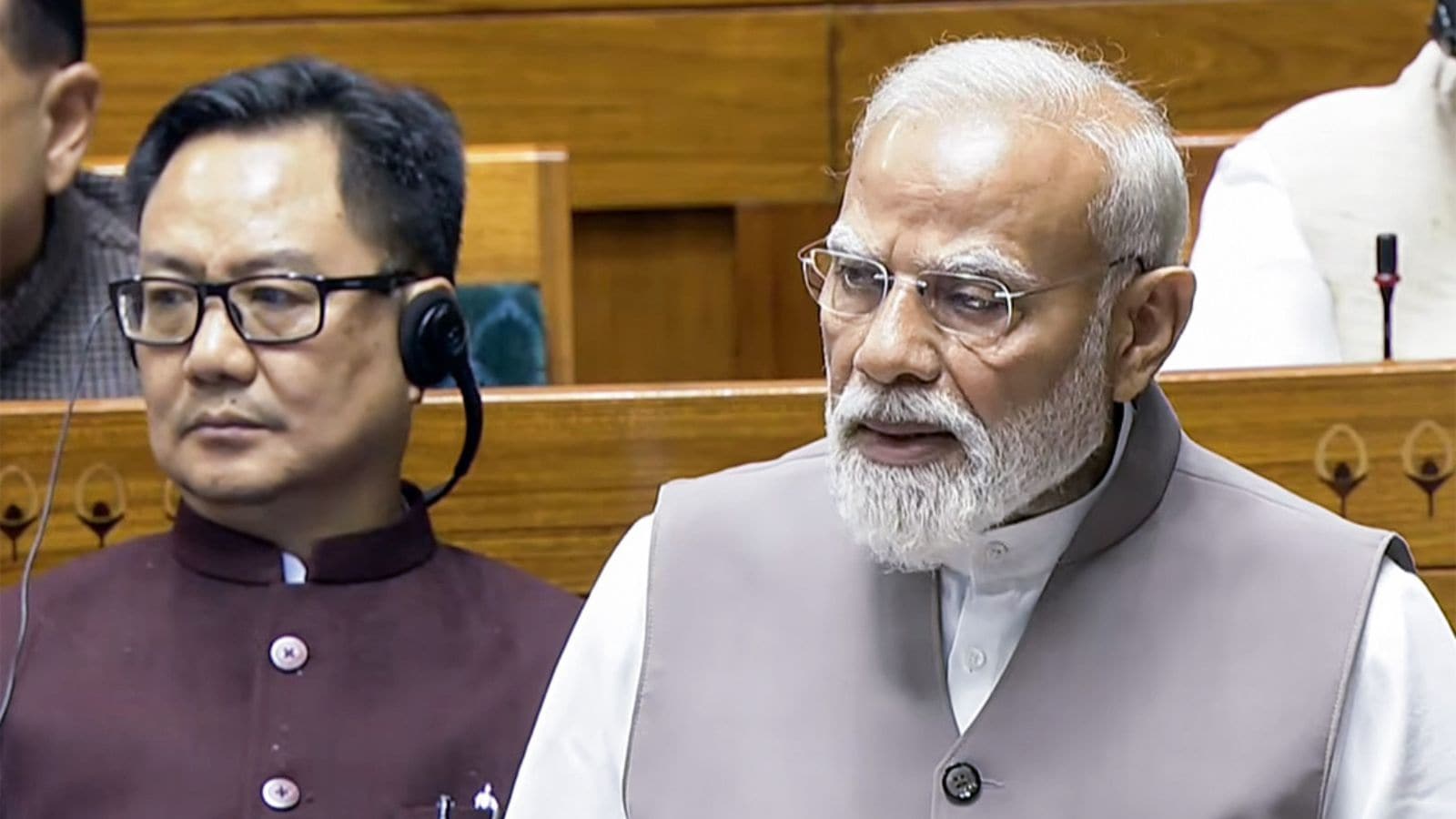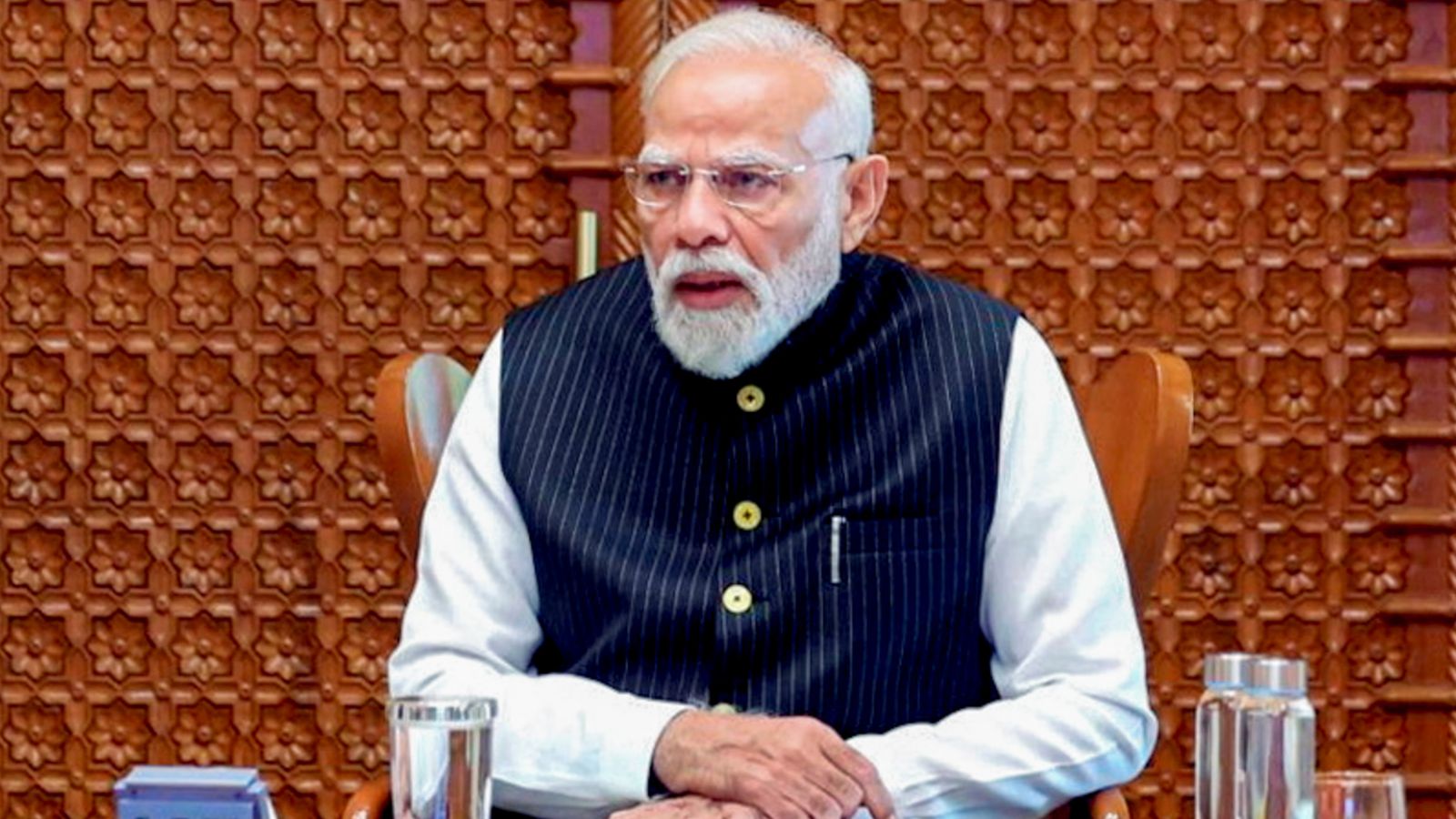
Prime Minister Narendra Modi chaired a crucial high-level meeting of the Cabinet Committee on Security (CCS) to review the rapidly evolving global situation amid the escalating conflict in West Asia, as tensions between major powers threaten to disrupt global stability, energy markets, and supply chains. The meeting, attended by key Union ministers including Rajnath Singh, Amit Shah, Nirmala Sitharaman, and S. Jaishankar, focused on assessing the immediate, medium-term, and long-term implications of the conflict on India’s economy, energy security, and overall national interests. The Prime Minister directed the formation of a dedicated group of ministers and senior officials to adopt a “whole-of-government approach,” ensuring coordinated action across all sectors to mitigate the potential impact of the crisis.
The high-level discussions were held against the backdrop of intensifying geopolitical tensions involving the United States, Israel, and Iran, with particular concern over the security of the Strait of Hormuz, one of the world’s most critical maritime chokepoints through which a significant portion of global oil supplies passes. Reports of threats to close the Strait have raised alarm across international markets, as any disruption could severely impact global energy flows, increase oil prices, and destabilize economies worldwide. For India, which relies heavily on energy imports from the region, the stakes are especially high, making proactive planning and strategic preparedness essential.
During the CCS meeting, detailed presentations were made by senior officials, including Cabinet Secretary T V Somanathan, outlining the current global situation and the mitigating measures already taken as well as those being planned by various ministries. The discussions covered a wide range of sectors, including agriculture, fertilisers, petroleum, power, food security, MSMEs, exports, shipping, trade, finance, and supply chains. The government conducted a comprehensive assessment of how the ongoing conflict could affect these sectors and explored strategies to ensure stability and continuity in essential services.
A major focus of the meeting was ensuring the availability of critical resources for the common man, particularly food, fuel, and energy. The government reviewed existing stock levels and evaluated contingency plans to maintain uninterrupted supply even in the event of prolonged disruptions. The Prime Minister emphasized the importance of safeguarding citizens from the economic fallout of the crisis, instructing all arms of the government to work in close coordination to minimize inconvenience and maintain price stability. He also stressed the need for strict monitoring to prevent black-marketing and hoarding of essential commodities, directing both central and state authorities to take proactive measures in this regard.
The impact of the conflict on India’s agricultural sector was also a key area of discussion, particularly with regard to fertiliser availability for the upcoming Kharif season. The government assessed current stock levels and the effectiveness of measures taken in recent years to ensure adequate supply. Given that a significant portion of India’s fertiliser imports comes from Gulf countries, the disruption in trade routes has raised concerns about potential shortages. However, officials indicated that strategic planning and diversification of supply sources would help ensure that farmers have timely access to necessary inputs, thereby safeguarding food security.
Energy security remained at the forefront of the discussions, with the government reviewing the status of petroleum reserves, power generation capacity, and coal availability. The Prime Minister was informed that adequate coal stocks at power plants would help prevent electricity shortages, even as demand rises during the summer months. Efforts to diversify energy import sources and expand domestic production were also highlighted as critical components of India’s long-term strategy to reduce vulnerability to external shocks. The government is actively exploring alternative import routes and suppliers to ensure a stable energy supply chain.
In addition to domestic measures, the government is also focusing on strengthening India’s position in global trade by identifying new export destinations and expanding market access for Indian goods. The discussions included strategies to support industries such as chemicals, pharmaceuticals, and petrochemicals, which could be affected by disruptions in global supply chains. By diversifying trade partnerships and enhancing competitiveness, India aims to mitigate the economic impact of the conflict and sustain growth momentum.
Earlier in the day, the Prime Minister held another high-level meeting with senior Union ministers to specifically review the energy sector, including petroleum products, power, and fertilisers. This meeting was attended by key ministers such as Shivraj Singh Chouhan, J. P. Nadda, Piyush Goyal, Hardeep Singh Puri, and Ashwini Vaishnaw, among others. The discussions focused on ensuring that India’s energy and industrial sectors remain resilient despite global uncertainties, with an emphasis on proactive planning and coordinated action.
The Prime Minister’s directive to establish a dedicated group of ministers and secretaries underscores the seriousness of the situation and the need for a unified response. By adopting a whole-of-government approach, India aims to leverage the strengths of various ministries and agencies to address challenges effectively. Sector-specific groups will work closely with stakeholders to develop and implement targeted measures, ensuring that all aspects of the crisis are addressed comprehensively.
Modi also highlighted that the conflict in West Asia is an evolving situation with far-reaching implications for the entire world. He stressed that India must remain vigilant and prepared to respond to changing circumstances, emphasizing the importance of flexibility and adaptability in policymaking. The government’s focus on both immediate and long-term measures reflects a balanced approach that seeks to address current challenges while building resilience for the future.
The meetings, held at the Prime Minister’s official residence at 7, Lok Kalyan Marg, were attended by several other senior ministers and officials, including Sarbananda Sonowal, Manohar Lal Khattar, Pralhad Joshi, K. Rammohan Naidu, and Ajit Doval, among others. Their participation highlights the multi-dimensional nature of the crisis and the need for coordinated action across various sectors and levels of government.
In conclusion, Prime Minister Narendra Modi’s high-level review meetings on the West Asia conflict demonstrate India’s proactive and comprehensive approach to managing global crises. By focusing on energy security, supply chain stability, agricultural resilience, and economic preparedness, the government aims to protect national interests and minimize the impact on citizens. The formation of a dedicated team of ministers and officials reflects a strong commitment to coordinated governance and effective crisis management. As the situation continues to evolve, India’s strategic planning, diplomatic engagement, and policy measures will play a crucial role in navigating the challenges ahead and ensuring stability in an increasingly uncertain global environment.