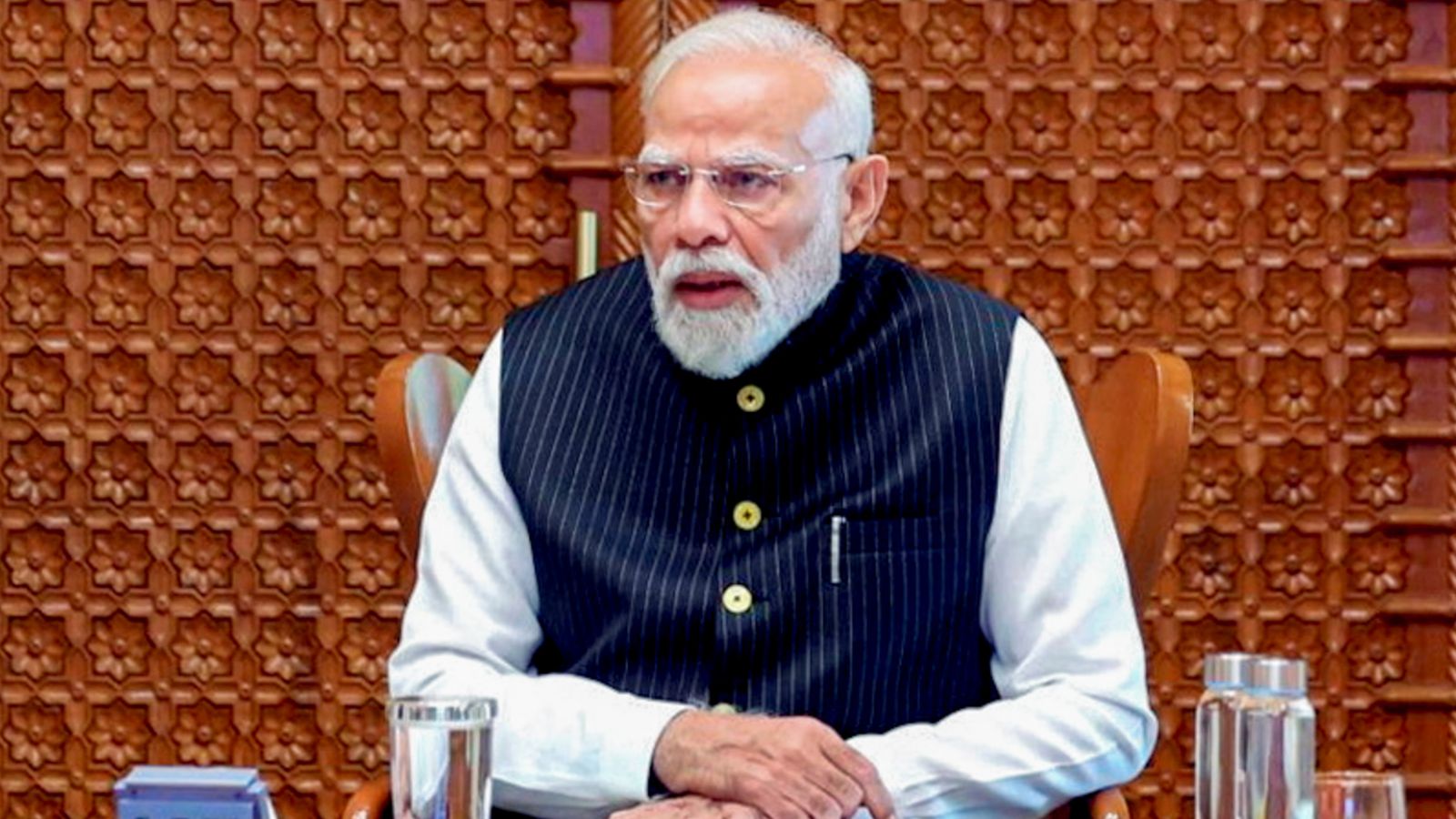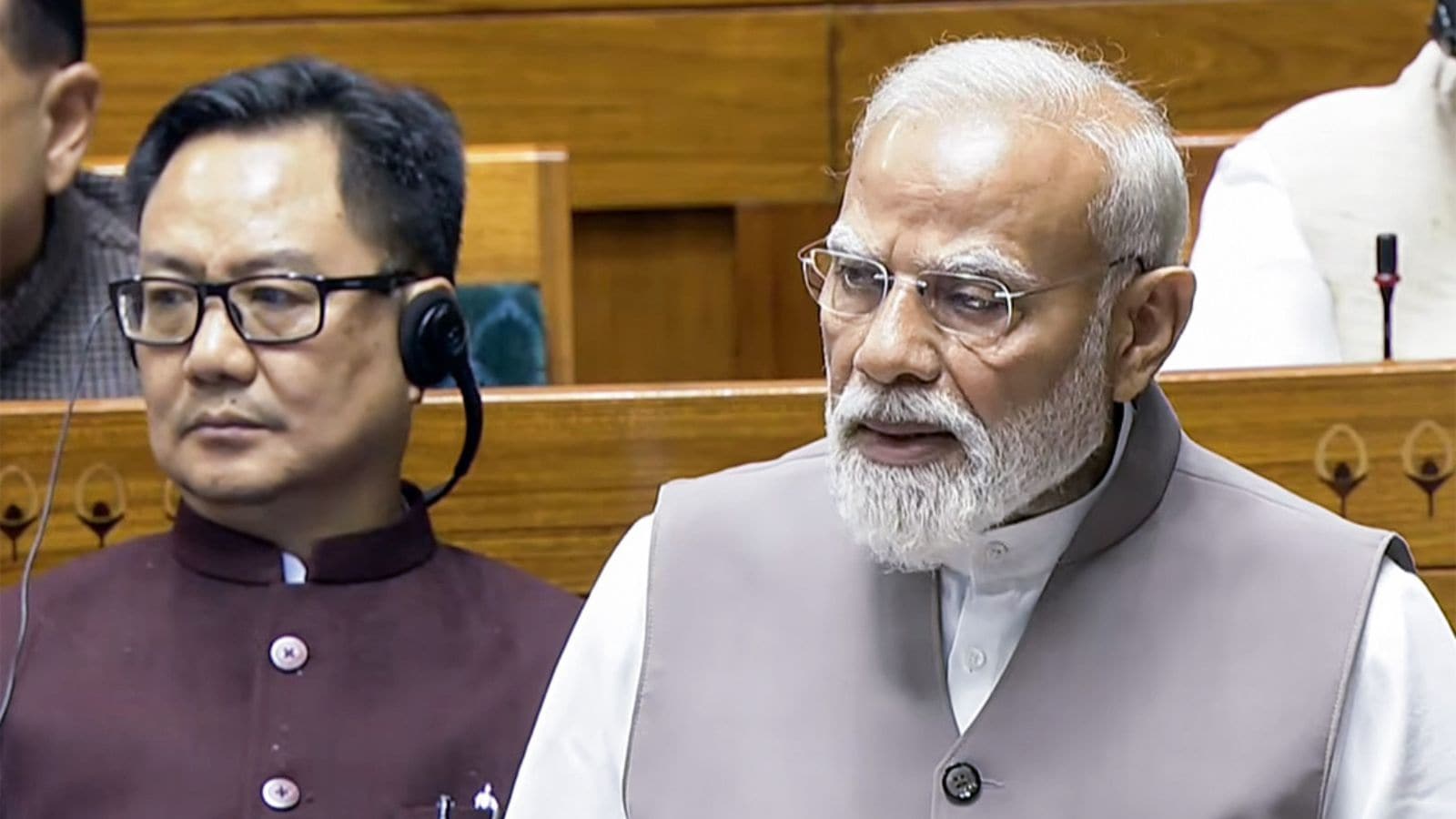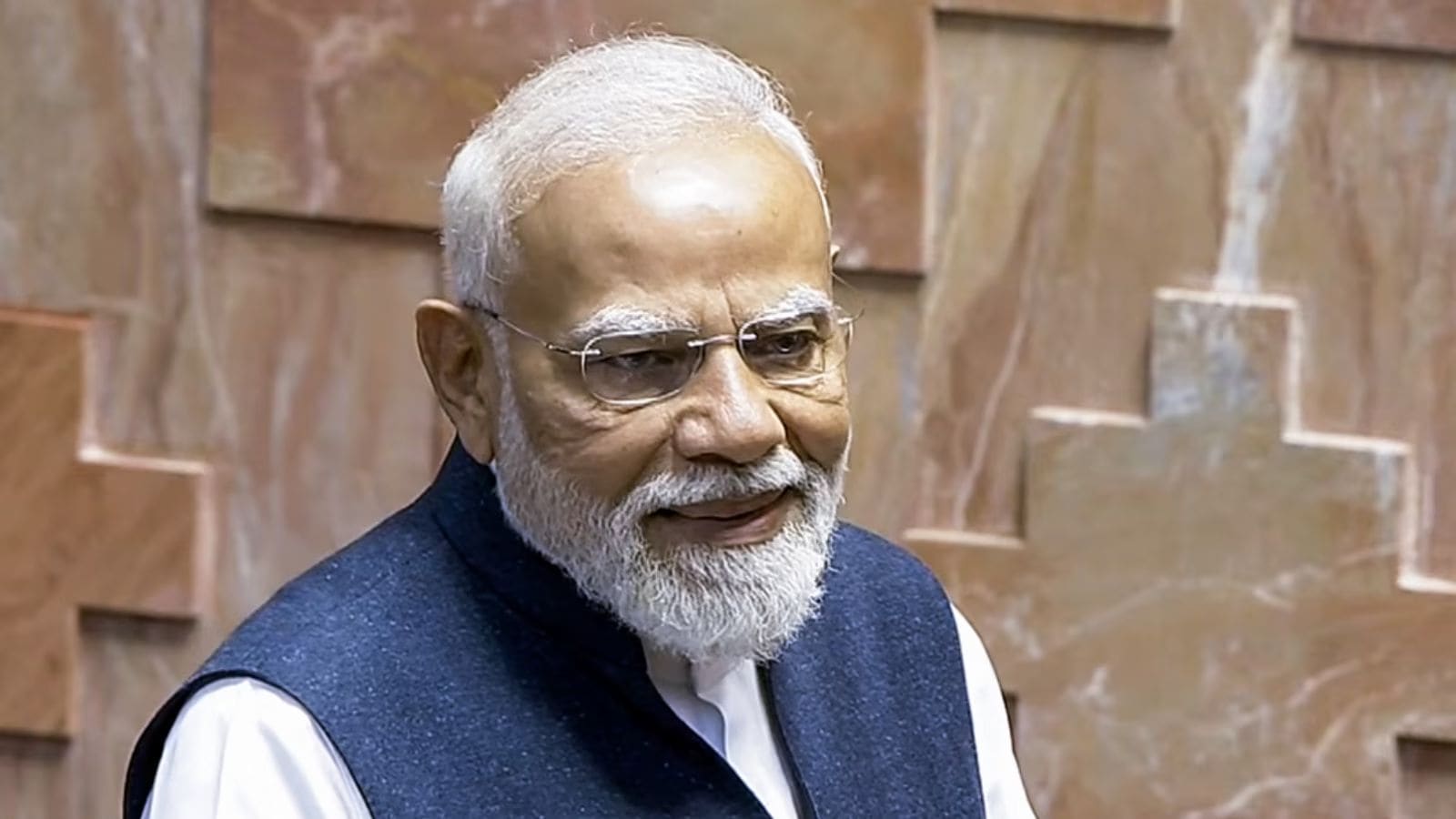
Prime Minister Narendra Modi has achieved a historic milestone in Indian politics by becoming the longest-serving head of an elected government, completing an unprecedented 8,931 days in public office. This remarkable journey, which began with his tenure as Chief Minister of Gujarat and continues through his leadership as India’s Prime Minister, has been widely hailed by Union ministers and senior leaders of the Bharatiya Janata Party (BJP) as a defining era in the country’s governance and development trajectory. The milestone surpasses the previous record held by Pawan Kumar Chamling, marking a new chapter in India’s political history and underscoring Modi’s long-standing presence at the helm of government.
The achievement has triggered widespread praise from top leaders, including Amit Shah, Rajnath Singh, J. P. Nadda, Piyush Goyal, and Ashwini Vaishnaw, among others, who have credited Modi’s leadership with reshaping India’s economic, social, and global standing. These leaders have collectively described his tenure as the “Modi era,” a period characterized by transformative reforms, large-scale development initiatives, and a governance model centered on the principle of “nation-first.” According to them, Modi’s continuous service over nearly nine thousand days reflects not only political endurance but also a deep-rooted commitment to public service, integrity, and inclusive growth.
Defence Minister Rajnath Singh highlighted that Modi’s life in public service represents an unbroken journey of dedication and commitment, emphasizing that surpassing the long-standing record is a testament to his relentless efforts in nation-building. He noted that Modi’s leadership has consistently focused on delivering results, strengthening institutions, and ensuring that governance reaches every corner of the country. Similarly, Home Minister Amit Shah described Modi’s decades-long service as the foundation of a new India, stating that his leadership has set new benchmarks in development, empowered the underprivileged, and elevated India’s global stature. Shah also pointed out that Modi’s unwavering commitment to the nation is reflected in his continuous service without taking a break for more than two decades, a rare feat in modern political history.
The narrative surrounding Modi’s milestone is deeply tied to his governance philosophy, which emphasizes inclusive development and social welfare. Leaders have highlighted how his tenure has focused on providing rights and opportunities to marginalized communities, improving infrastructure, and implementing policies aimed at economic empowerment. From large-scale welfare schemes targeting the poor to initiatives promoting digital transformation and financial inclusion, the government under Modi has pursued a comprehensive approach to development. BJP leaders have also emphasized the role of these initiatives in strengthening public trust, noting that Modi’s leadership has received repeated electoral mandates, including victories in the 2014, 2019, and 2024 general elections.
Health Minister J. P. Nadda underscored that Modi’s years in office reflect a consistent focus on people-centric governance, with policies designed to empower youth, women, farmers, and economically weaker sections. He highlighted that the vision of a “Viksit Bharat” or developed India is being actively pursued through strategic planning and sustained efforts. BJP president Nitin Nabin echoed similar sentiments, stating that the country has witnessed rapid progress in infrastructure, digital innovation, and self-reliance initiatives under Modi’s leadership. The push towards “Aatmanirbhar Bharat” has been particularly emphasized as a key component of this transformation, aiming to make India more resilient and self-sufficient in a rapidly changing global landscape.
Commerce and Industry Minister Piyush Goyal described Modi’s journey as a reflection of unwavering dedication to inclusive growth and public welfare. He emphasized that the Prime Minister’s approach to governance has been rooted in the principle of “jan seva,” or service to the people, which has guided policy decisions and development strategies. Parliamentary Affairs Minister Kiren Rijiju also termed the milestone a “remarkable achievement,” noting that Modi’s tenure stands as a symbol of tireless service, integrity, and commitment to national progress.
A significant aspect of Modi’s long tenure has been his ability to maintain strong public support over multiple election cycles. BJP leaders have pointed out that the consistent electoral victories reflect the trust and confidence that citizens have placed in his leadership. This trust, they argue, is built on a combination of effective governance, visible development outcomes, and a clear vision for the country’s future. The emphasis on transparency, accountability, and direct benefit transfer mechanisms has also been highlighted as key factors contributing to this sustained support.
Beyond domestic achievements, Modi’s leadership has also been credited with enhancing India’s global standing. Under his tenure, India has played a more active role in international forums, strengthened diplomatic ties, and positioned itself as a key player in global decision-making. Leaders have noted that Modi’s efforts to promote India’s interests on the world stage have contributed to increased recognition and influence for the country. This includes initiatives aimed at boosting economic partnerships, promoting cultural diplomacy, and addressing global challenges such as climate change and security.
The milestone of 8,931 days is not just a numerical achievement but also a reflection of continuity and stability in governance. In a democratic system where leadership changes are frequent, such a long tenure at the helm of government is rare and significant. It highlights the ability to sustain political momentum, adapt to changing circumstances, and maintain relevance in a dynamic political environment. For supporters, this continuity has enabled the implementation of long-term policies and structural reforms that require sustained effort and commitment.
At the same time, the milestone has sparked discussions about the broader implications of long-term leadership in a democracy. While supporters view it as a sign of strong and stable governance, critics may interpret it differently, emphasizing the importance of diverse perspectives and periodic leadership change. However, within the context of the current narrative, the focus remains on celebrating the achievement and recognizing its significance in India’s political history.
In conclusion, Prime Minister Narendra Modi’s achievement of becoming the longest-serving head of an elected government marks a historic moment that reflects his enduring influence and leadership in Indian politics. The milestone has been widely celebrated by Union ministers and BJP leaders, who see it as a testament to his dedication, vision, and commitment to nation-first governance. From transforming infrastructure and driving economic growth to enhancing India’s global standing and empowering citizens, Modi’s tenure has left a lasting impact on the country’s development trajectory. As India continues to evolve in a rapidly changing global environment, this milestone serves as both a reflection of past achievements and a foundation for future aspirations, reinforcing the narrative of a leader whose journey in public service has been defined by consistency, resilience, and a relentless pursuit of national progress.