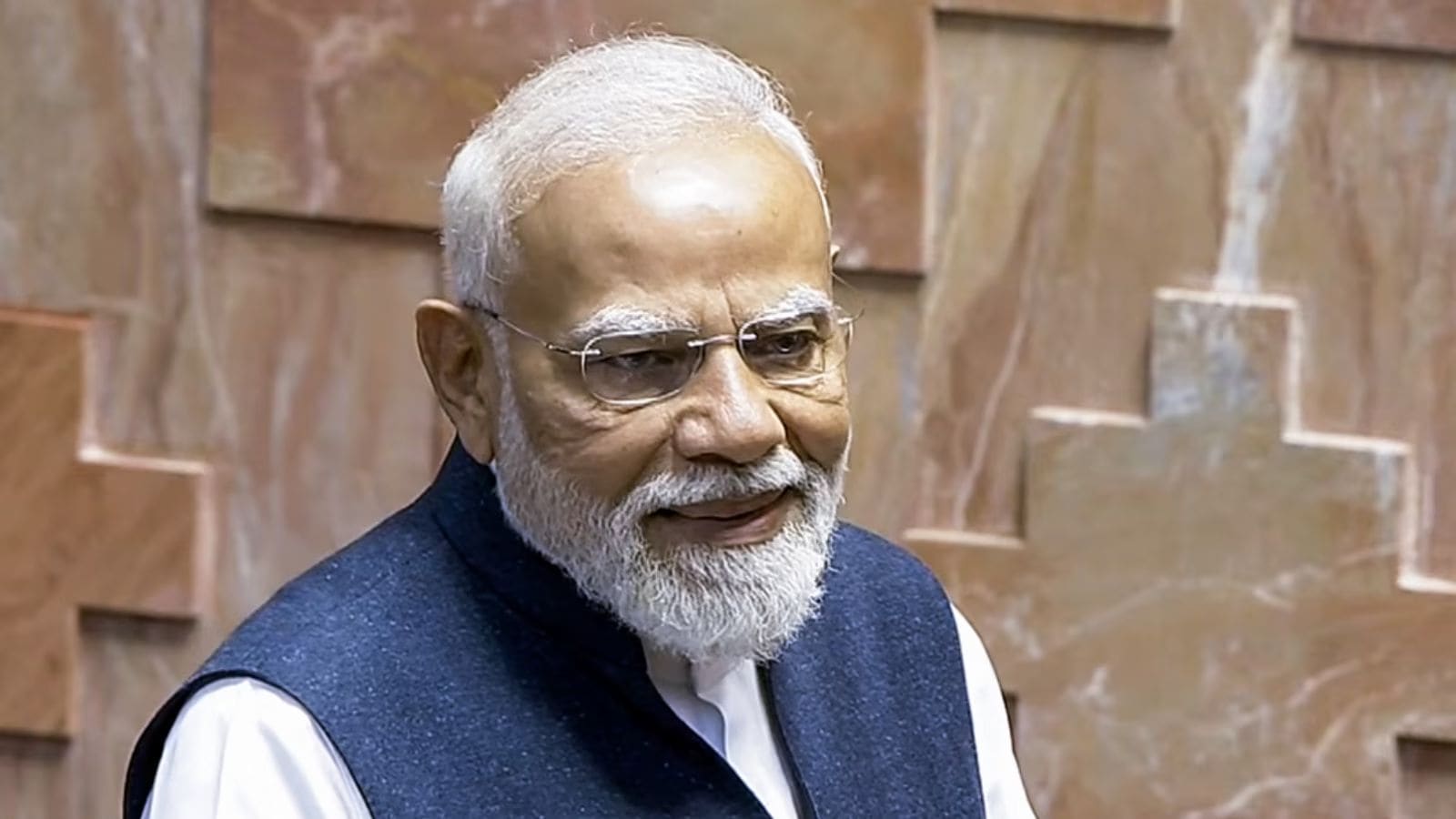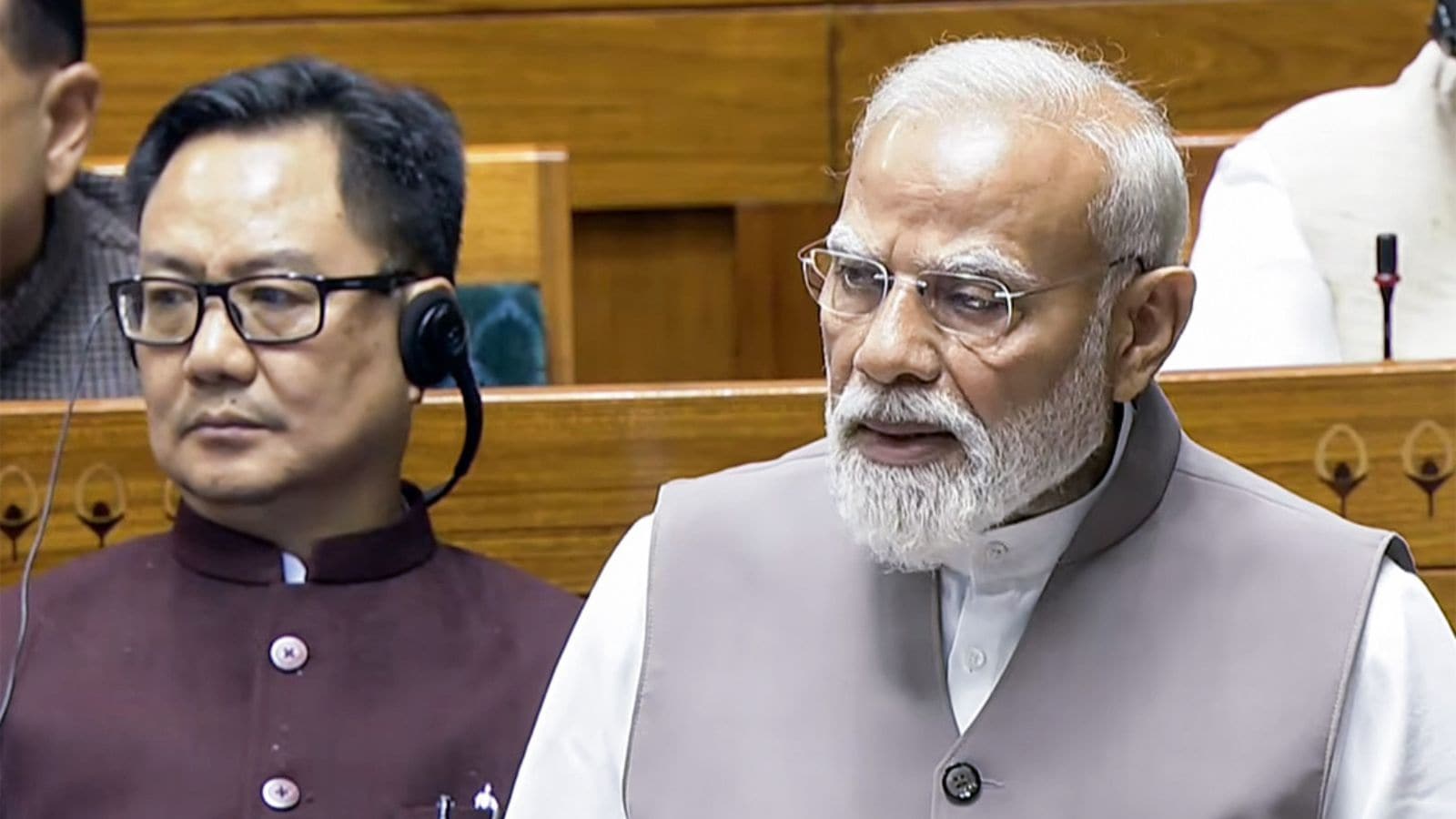
Prime Minister Narendra Modi delivered a significant and closely watched address in the Lok Sabha amid the escalating crisis in West Asia, outlining India’s position and highlighting the far-reaching implications of the conflict, which has now entered its fourth week. Describing the situation as deeply “concerning,” Modi emphasized that the prolonged nature of the crisis is already placing immense pressure on global supply chains, trade routes, and economic stability. His decision to address Parliament reflects not only the seriousness of the conflict but also its direct impact on millions of lives, including Indian citizens and workers connected to the region. The Prime Minister’s speech presented a comprehensive overview of India’s diplomatic, economic, and strategic concerns, while also sending a strong global message about the urgent need for peace and stability.
A central focus of Modi’s address was the economic impact of the ongoing conflict, particularly on India’s trade relationships with countries across the Gulf and the broader Middle East. India maintains extensive trade and energy ties with several nations involved in or affected by the conflict, making the situation especially critical for the country. The Prime Minister warned that disruptions in this region could significantly affect global markets, increase volatility in oil prices, and strain supply chains that are already under pressure due to ongoing geopolitical tensions worldwide. He specifically highlighted the importance of the Strait of Hormuz, a narrow yet vital waterway through which nearly one-fifth of the world’s oil supply passes. Modi described any potential blockade or disruption of this crucial route as “unacceptable,” stressing that it would have severe consequences not just for India but for the entire global economy.
The Prime Minister also brought attention to India’s energy security concerns, revealing that the country imports nearly 60 percent of its LPG requirements, much of it from the West Asia region. With uncertainty looming over supply chains due to the ongoing conflict, the government is placing increased emphasis on boosting domestic production and ensuring alternative supply mechanisms. Modi’s remarks indicate that energy security has become a top national priority, especially in light of its potential impact on inflation, economic growth, and even political dynamics ahead of upcoming Assembly elections in key states such as West Bengal, Tamil Nadu, and Kerala. His comments underline how global geopolitical developments are closely intertwined with domestic economic stability and political decision-making in India.
Another key aspect of Modi’s speech was the concern for Indians living and working in the conflict-affected region. The Prime Minister highlighted the presence of nearly one crore Indians residing in Gulf countries, many of whom are the primary breadwinners for families back home in states like Kerala, Uttar Pradesh, Bihar, and West Bengal. He also addressed the plight of Indian seafarers navigating the region’s volatile waters, noting that approximately 700 Indian crew members aboard 22 commercial ships are currently stranded or affected in the Strait of Hormuz due to heightened security risks and disruptions in maritime traffic. This human dimension of the crisis adds urgency to India’s diplomatic efforts, as the safety and well-being of its citizens abroad remain a top priority for the government.
Modi strongly emphasized India’s commitment to diplomacy and peaceful conflict resolution, reiterating that “dialogue and diplomacy are the only solutions” to the crisis. He revealed that he has personally engaged in multiple rounds of discussions with key regional leaders, including those from Iran, Saudi Arabia, the UAE, Qatar, Oman, Kuwait, and Bahrain, urging them to de-escalate tensions and pursue peaceful negotiations. This proactive diplomatic engagement reflects India’s long-standing position as a neutral and responsible global player that advocates for peace and stability. By actively encouraging all parties to resolve their differences through dialogue, India aims to play a constructive role in preventing further escalation and restoring normalcy in the region.
Interestingly, Modi’s speech also carried subtle diplomatic signals, particularly in his measured approach to sensitive geopolitical developments. His decision not to explicitly condemn certain actions by major global players such as the United States or Israel has been interpreted as a calculated move to maintain strategic balance and protect India’s interests across multiple fronts. This nuanced stance reflects India’s pragmatic foreign policy approach, where maintaining strong relationships with all key stakeholders is essential. The Prime Minister’s remarks suggest a careful balancing act, ensuring that India’s voice for peace is heard without alienating important international partners.
Furthermore, Modi called for a united and unanimous stance from India’s Parliament, urging political leaders across party lines to come together and present a strong, collective voice on the global stage. He stressed that such unity would send a powerful message to the world about India’s commitment to peace, stability, and responsible global leadership. By involving Parliament in the discussion, the government aims to build consensus and strengthen its diplomatic position internationally.
The broader implications of the West Asia conflict, as highlighted in Modi’s speech, extend far beyond regional boundaries. The crisis has the potential to disrupt global energy markets, impact international trade routes, and increase geopolitical uncertainty worldwide. For India, which relies heavily on imports and maintains strong economic ties with the region, the stakes are particularly high. The Prime Minister’s address underscores the need for urgent international cooperation, effective diplomacy, and strategic foresight to navigate this complex and evolving situation.
In conclusion, Prime Minister Narendra Modi’s Lok Sabha speech provides a comprehensive and strategic overview of India’s response to the ongoing West Asia conflict. From economic and energy concerns to the safety of Indian citizens abroad and the importance of diplomatic engagement, the address highlights the multifaceted challenges posed by the crisis. It also reinforces India’s role as a responsible global power committed to peace, dialogue, and stability. As tensions continue to evolve, India’s balanced and proactive approach will play a crucial role in shaping outcomes not just for the region, but for the global community at large.