Israel Iran targeted killings
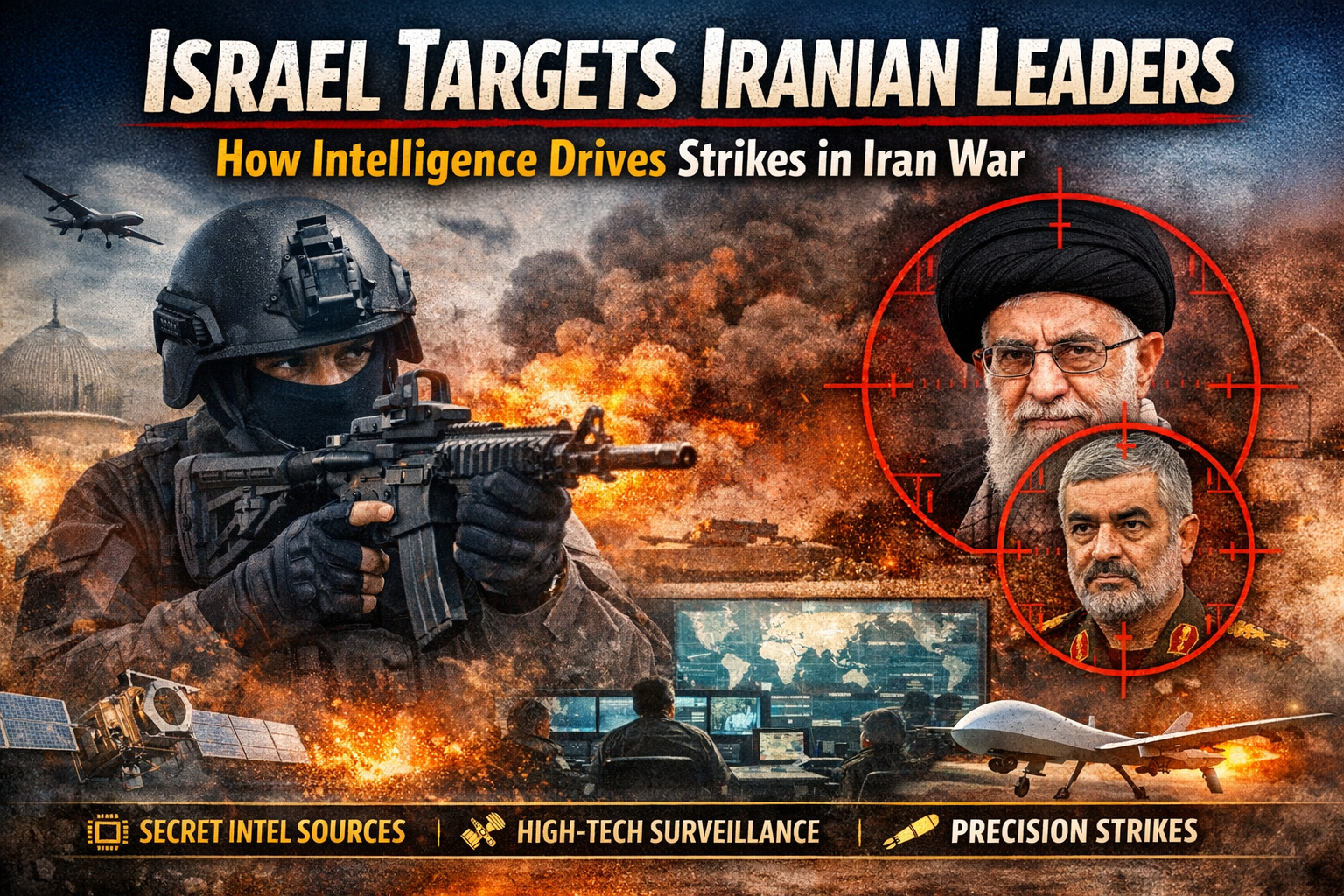
Israel Iran targeted killings explained as intelligence-driven strikes eliminate senior Iranian officials during the ongoing conflict.
As the conflict between Israel and Iran intensifies, Israeli forces have continued a series of targeted strikes against high-ranking Iranian officials. These operations are largely based on precise intelligence and rapid execution.
Since the escalation began earlier this year, multiple senior figures linked to Iran’s leadership and military structure have reportedly been killed. According to analysts, these strikes rely on two main intelligence sources: human informants on the ground and advanced electronic surveillance systems.
Experts say informants play a critical role by providing real-time location data, while technology such as mobile tracking, satellite monitoring, and drone surveillance helps confirm targets. Intelligence is also gathered through cooperation with international partners, giving a broader picture of movements within Iran.
Despite geographical challenges, Israel has managed to maintain an effective intelligence network. Analysts note that internal opposition groups within Iran may also contribute to information gathering, further strengthening operational capabilities.
Military experts emphasize that timing is crucial. Successful strikes depend on what is known as a “short kill chain,” meaning the time between identifying a target and launching an attack must be extremely fast to ensure accuracy.
The United States and Israel are believed to be operating in different regions of the conflict. While U.S. forces focus on southern areas and key maritime routes, Israel has concentrated more on leadership targets in other parts of the country.
The strategy behind these operations is to weaken Iran’s command structure by removing key decision-makers. Some analysts believe this could push future leaders toward negotiation or reduce aggressive policies.
However, others warn the approach carries risks. Eliminating senior officials may lead to instability or empower more hardline figures, potentially escalating tensions further instead of reducing them.
So far, there are no clear signs of major internal divisions within Iran’s leadership. Experts caution that while targeted strikes can disrupt operations, they do not always lead to immediate political change.